
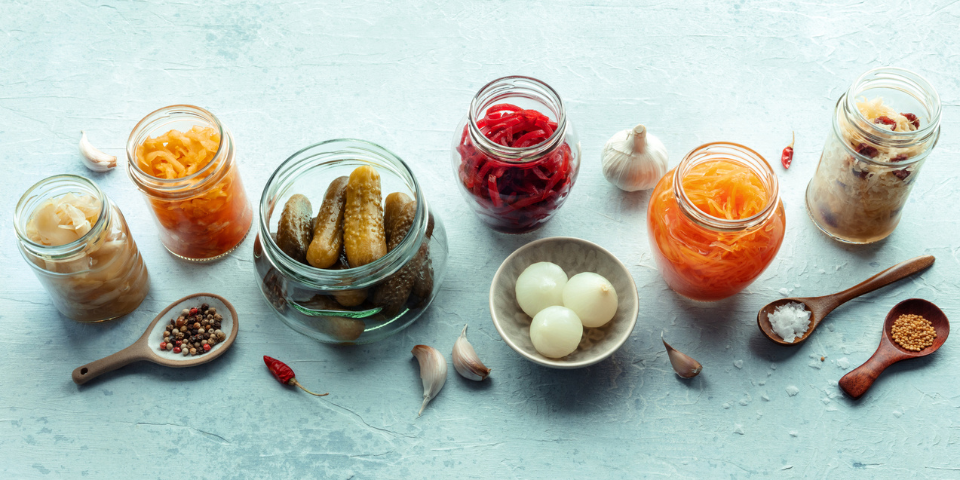
Probiotics are within the Greek yogurt you had for breakfast and the kimchi within the Buddha bowl you ordered for lunch. They’re discovered within the kombucha you sipped on this afternoon, and so they’re within the miso paste that may go into tonight’s dinner. However damaged down, what precisely are probiotics? Do you really want them — and what’s one of the simplest ways to get them?
What Are Probiotics?
“Probiotics are good-for-you micro organism that profit your well being,” starting from serving to digestive health to immune health and extra, explains Amy Gorin, MS, RDN, proprietor of Amy Gorin Nutrition in New York. That’s a broad definition from which issues get a lot narrower relying on the number of probiotic strains.
These residing microorganisms provide “a large number of capabilities and advantages,” provides Ethan Dixon, MPH, RD, LD, a registered dietitian for the US Military. “Probiotics are metabolized within the intestine and are present in fermented meals and yogurts, or taken as a complement,”
What Are Probiotics Good For?
“Probiotics are believed to assist create a wholesome intestine micro organism profile in our our bodies, often known as our microbiota,” Dixon says. Microbes of all types have enormous effects on numerous organ techniques and their respective capabilities. These intestine micro organism can assist in digestion and metabolism.
That’s simply what’s identified at current. As Dixon provides, “Science continues to find new and thrilling attainable advantages of probiotics.”
Advantages of Probiotics
Probiotics support your health in a lot of methods, which might differ based mostly on the precise pressure of micro organism. Right here’s a have a look at three potential advantages of probiotics, in keeping with analysis.
1. Promote digestive well being
“Scientific proof suggests the efficacy of probiotics in some digestive points,” explains Dixon. A review within the American Household Doctor journal discovered sure probiotics efficient in a lot of instances of gastrointestinal misery.
2. Help immune well being
A hyperlink between probiotic strains and immune health has been reported in rising science. In response to analysis, these probiotics could assist by competing with and blocking “unhealthy” micro organism, a phenomenon known as “colonization resistance” or the “barrier impact.”*
3. Might assist enhance temper
“The affiliation between our intestine microbiota and emotional well being is kind of fascinating,” says Dixon. New rising analysis (like this review) means that consuming sure probiotics could influence cognitive operate, stress administration, and decision-making. Nonetheless, extra analysis is required to raised perceive this connection.*
What Are the Facet Results of Probiotics?

An American Household Doctor study notes {that a} lack of clear tips on when to make use of probiotics and the best probiotic for various gastrointestinal points could also be complicated for household physicians and their sufferers. And this misuse of probiotics could result in adverse unwanted effects, equivalent to:
- Gasoline and bloating
- Emotions of indigestion
- Nausea
- Diarrhea
“Whether or not or not a person experiences signs varies,” says Dixon. “However many individuals see enhancements after their physique correctly adjusts to taking probiotics.”
Probiotics vs. Prebiotics
Typically probiotics are confused with prebiotics. “Prebiotics are a type of carbohydrate (not residing micro organism) and will be regarded as the meals or gas for probiotics,” says Dixon. “Prebiotics needs to be taken with a probiotic routine and never alone.”
Prebiotics are present in meals equivalent to tomatoes, artichokes, bananas, asparagus, berries, garlic, onions, chicory, legumes, oats, flax, barley, and wheat, and also you would possibly see inulin added to meals that boast a excessive prebiotic content material.
Ought to You Take Probiotic Dietary supplements?
As for whether or not fermented meals or dietary supplements are a better option for getting probiotics, Gorin says each are useful, however “consuming meals first is usually the best way to go.”
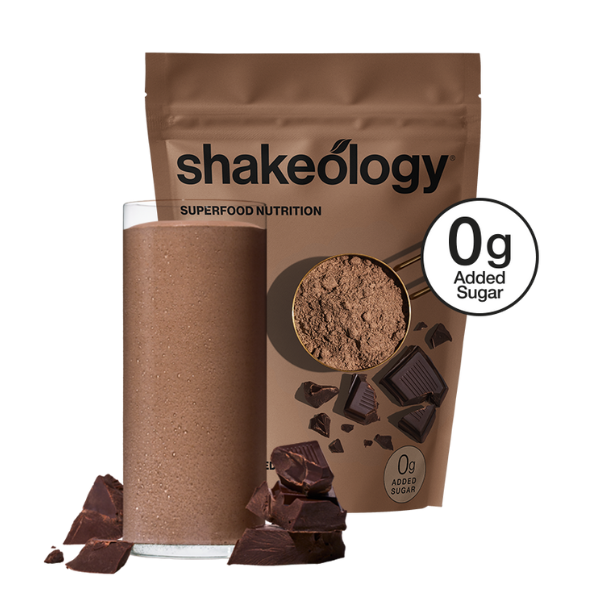
That may be exhausting to do constantly, which is why many individuals flip to supplementation to assist assist their probiotic consumption. Comprised of a few of the strongest superfoods, Shakeology gives probiotics, prebiotics, and digestive enzymes, together with as much as 17 grams of protein and 6 grams of fiber per scoop.*
Should you’re searching for a extra complete method to a more healthy intestine, The 4 Week Gut Protocol was designed to assist enhance your microbiome and total well being via low-impact train, diet, and supplementation.*
What to Search for in a Probiotic Complement
Should you do go the probiotic complement route, know that they’re not all the identical, explains Gorin. “Make certain to decide on a probiotic that accommodates the genus, the species, and the pressure,” she explains. “This doubtless means that there’s analysis behind the precise probiotics contained within the complement.”
Probably the most common types of microbes used in probiotic products are Lactobacillus, Bifidobacterium, Saccharomyces, Enterococcus, Escherichia, and Bacillus.
Hardiness can be an element to think about when selecting a probiotic complement, which should survive not solely the pains of the digestive atmosphere but additionally weeks and probably months of storage.
Probiotic Meals
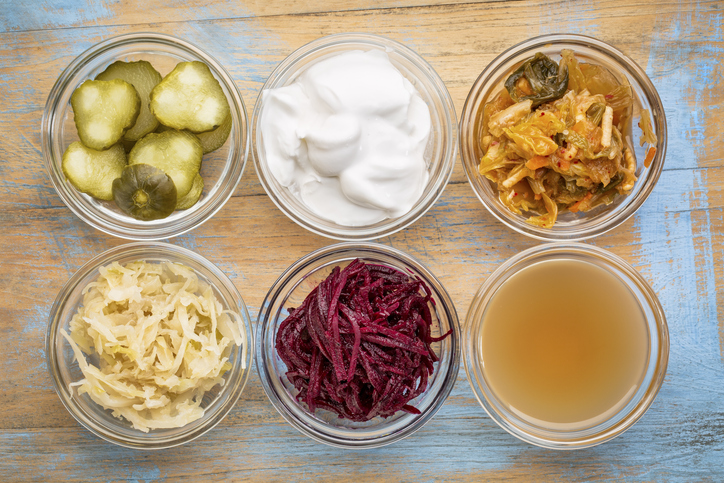
Lots of the meals you eat day by day include probiotics naturally. In terms of working probiotic meals into her food plan, Gorin is a fan of probiotic-containing dairy — however solely sure varieties include energetic cultures.
“Not all yogurt accommodates probiotics, so it’s necessary to learn the label and go to the corporate’s web site to search for transparency about this,” she says.
Dixon loves kimchi and miso ramen every so often, however as a day by day probiotic supply, he recommends low-sugar yogurt or kefir. “These meals additionally present protein and calcium,” he says.
And heads-up, kombucha followers: The bubbling drink will get Dixon’s dietitian seal of approval. “It has a significantly different tradition of micro organism that’s believed to resemble our microbiota,” he says.
Meals which will include probiotics embody the following:
- Aged cheeses
- Kefir (dairy and non-dairy varieties)
- Yogurt (dairy and non-dairy varieties)
- Cultured buttermilk, cottage cheese, and bitter cream
- Recent pickles
- Kimchi
- Kombucha
- Water kefir and different “probiotic” drinks
- Miso paste
- Sauerkraut
- Tempeh
- Uncooked vinegar, together with apple cider vinegar
*These statements haven’t been evaluated by the Meals and Drug Administration. This product will not be supposed to diagnose, deal with, treatment, or stop any illness.