
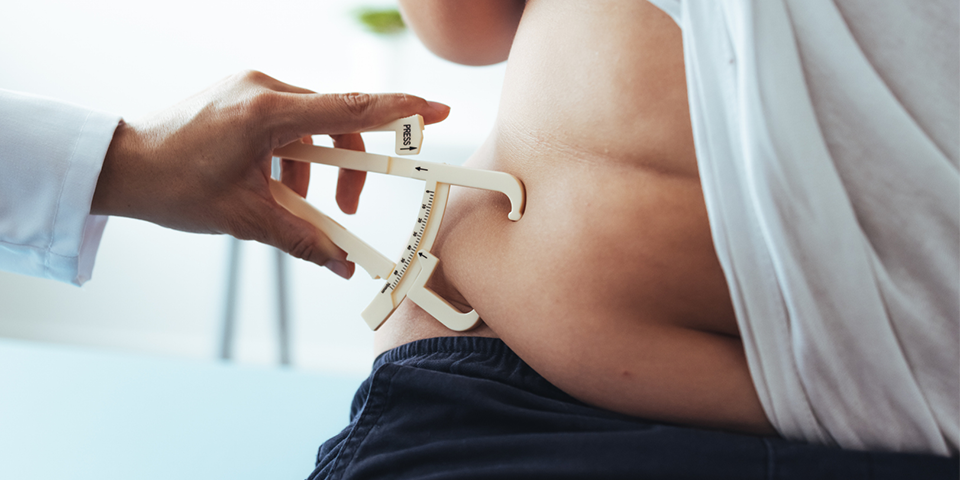
Most of us consider fats (a.okay.a. adipose tissue) as our physique’s kitchen cupboard — a storage system for extra energy that we will dip into if we discover ourselves in a pinch, or on a protracted hike with out path combine. Whereas that’s partly true, there are various kinds of physique fats that serve numerous functions.
So in case you’re hellbent on losing body fat or sustaining a low body fat percentage, you could be inhibiting a few of your physique’s regular features, like blood circulation and repairing and constructing new cells.
“Fats is without doubt one of the most important constructing blocks of a residing, functioning particular person,” explains Dr. Gillian Goddard, M.D., a common endocrinologist and adjunct assistant professor of medication at NYU Langone Hospital. “Fats is unquestionably not simply an inert storage for extra vitality or extra energy.”
Study concerning the position of physique fats and the way its numerous sorts differ.
1. White Fats
“White fats cells are giant blobs with an enormous lipid (fatty) droplet within the center and a bit rim of mobile equipment,” Goddard explains. White fats is the sort that principally supplies storage for extra vitality.
There are two types of white fats that you just’re most likely accustomed to: subcutaneous and visceral.
Subcutaneous fats

For most individuals, subcutaneous fats is primarily product of white fats cells and is the layer of adipose tissue slightly below your pores and skin. It’s principally present in your arms, legs, and stomach, storing extra energy and serving to hold you heat like a pure layer of insulation.
“Whenever you keep a healthy body weight, subcutaneous fats doesn’t are usually metabolically deleterious or contribute to insulin resistance,” says Goddard. In step with the body positivity movement, it’s completely potential to have curves and be match.
That mentioned, in case you’ve ever seen an image of your self and thought twice about posting it due to dimply-looking pores and skin in your legs (a.okay.a. cellulite), subcutaneous fats is accountable. Cellulite happens when fats pushes by way of the connective tissue beneath your pores and skin.
Visceral fats
If you wish to model one sort of fats as “dangerous fats,” visceral fats or deep fats can be it. It’s made solely of white fats cells and types in your stomach and round your organs. Having some visceral fats is regular, however extreme quantities can increase your risk of diabetes and different critical illnesses, equivalent to liver dysfunction.
“Visceral fats is without doubt one of the greatest contributing components to well being implications deriving from extra physique fats,” says Goddard.
Maybe the clearest indication of extra visceral fats is having a tough “beer stomach,” however you also needs to take note of waist size. When you’re a girl with a waist circumference bigger than 35 inches or a person with a waist circumference bigger than 40, you probably have sufficient visceral fats to negatively impression your well being.
2. Brown Fats

One of many greatest modifications in defining the forms of physique fats over the previous decade — and probably essentially the most complicated — has been the addition of a brand new class: brown fat.
In comparison with white fats, brown fats cells have a small lipid droplet and far denser mobile parts, which is why they seem brown. These parts embody mitochondria, the place fatty acids and glucose (sugar) are burned, producing warmth.
Opposite to your entire preconceptions about lazy fats cells, it is a metabolically lively sort of fats, which is at the moment being studied for its potential use in treating obesity.
“Previously, it had been thought that solely infants had brown fats,” explains Goddard. “Nevertheless, adults have brown fats as properly.” Brown fats helps regulate physique temperature, which is why infants have a lot of it. However when you develop muscle tissues to assist hold you heat, you lose most of this “child fats.”
In adults, it’s discovered within the areas the place your neck connects to your torso, above your clavicle, and down the backbone. The quantity additionally varies between people.
Whereas this sort of fats burns energy, it’s tough to achieve. It undoubtedly doesn’t contain downing pints of ice cream, sadly.
“Researchers have discovered that exposing your self to chilly temperatures will help construct it up,” says Goddard. However it’s not fairly so simple as going for a run on a chilly morning in shorts — or standing within the freezer part debating ice cream flavors. Some studies have discovered protracted publicity to temperatures of 60 levels or much less can set off its manufacturing.
3. Beige Fats

With regards to the adipose spectrum, beige fats occupies a form of grey zone. Research suggests that mice are in a position to convert white fats cells into what’s often known as beige fats, and that this “browning” of white fats cells might also happen in humans.
Sometimes present in pea-size deposits close to the collarbone and backbone, beige fats is like brown fats in that it burns energy and produces warmth. But additionally like brown fats, beige fats is a comparatively current discovery and far about it stays unknown, says Goddard.