
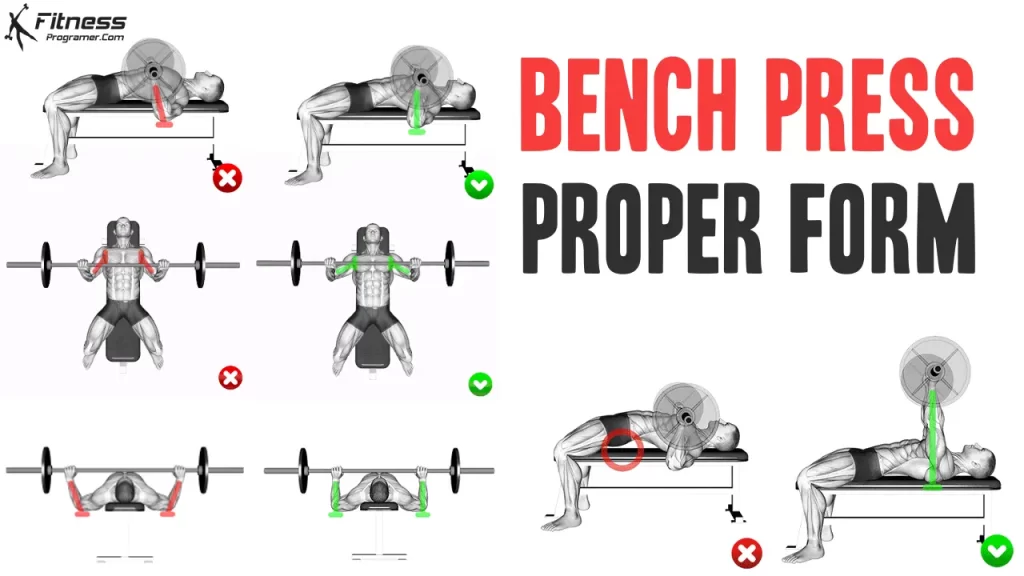
The bench press is a compound train that primarily targets the pectoralis main (chest muscle groups). It additionally works the triceps, anterior deltoids (entrance shoulders), and stabilizer muscle groups. As an authorized health coach, I’ve witnessed how mastering this train can remodel exercises—when executed accurately.
Past aesthetics, a robust bench press improves useful energy and efficiency in sports activities requiring upper-body energy, like soccer, basketball, or wrestling. Nonetheless, improper type can result in shoulder pressure, wrist accidents, or uneven muscle growth. Mastering correct approach ensures you construct energy safely and successfully.
If you happen to’re planning to create an efficient strength training or chest workout plan, understanding how you can bench press with correct type is important. On this information, I’ll stroll you thru the proper solution to carry out a bench press, share professional suggestions, and tackle widespread errors that can assist you get essentially the most out of this important train.
Bench Press with Correct Kind
1. Set Up Correctly
Correct setup is the inspiration of a profitable bench press.
- Place the Bench and Bar: Make sure the bench is steady, with the barbell positioned at a top that means that you can unrack it with out extreme pressure.
- Lie Down Accurately: Place your physique so your eyes are straight beneath the bar. This alignment helps keep a protected path of movement.
- Foot Placement: Plant your toes firmly on the bottom, barely behind your knees. Your heels ought to stay on the ground to offer a steady base.
- Again Place: Preserve a slight pure arch in your decrease again, together with your shoulder blades retracted and pressed into the bench.
- Interact Your Shoulders and Again: Retract your shoulder blades and press them firmly into the bench. This protects your shoulders and offers a robust urgent base.
2. Grip the Bar Accurately
Your grip performs a pivotal position in bench press efficiency and security.
- Use a pronated grip (palms going through away) with thumbs wrapped securely across the bar.
- Place your fingers barely wider than shoulder-width aside. This alignment helps goal the chest whereas minimizing shoulder pressure.
- Guarantee Symmetry: Verify that your fingers are evenly spaced utilizing the markings on the barbell.
3. Unrack the Bar Safely
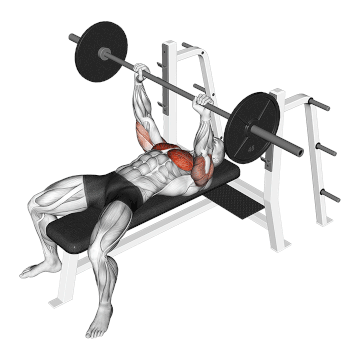
- Interact your core and brace your physique as you carry the bar off the rack.
- Lengthen your arms absolutely and place the bar straight above your shoulders.
4. Decrease the Bar with Management
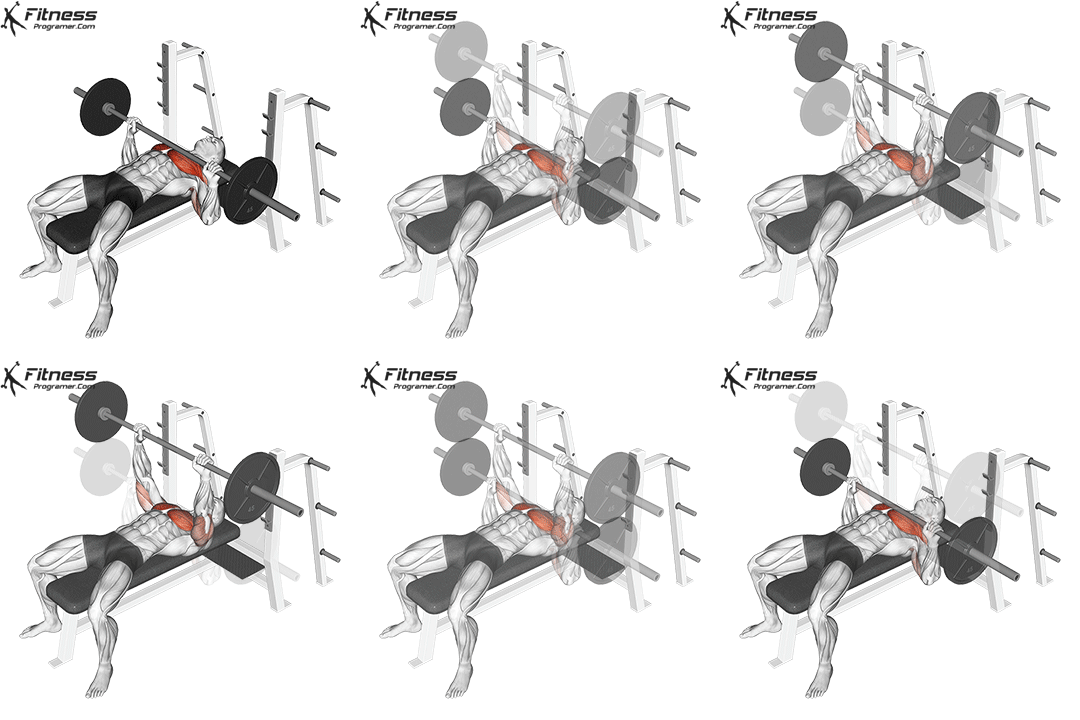
- Inhale deeply and start reducing the barbell.
- Maintain your elbows at a forty five to 75-degree angle to your torso to reduce stress in your shoulders.
- Decrease the bar till it frivolously touches your chest, just under the nipple line. Keep away from bouncing the bar off your chest.
5. Press the Bar Again Up
- Exhale forcefully and press the bar upward with managed energy.
- Concentrate on participating your chest and triceps as you push.
- Absolutely lengthen your arms with out locking out your elbows.
Frequent Errors and Keep away from Them
1. Elbows Flaring Out Too A lot:
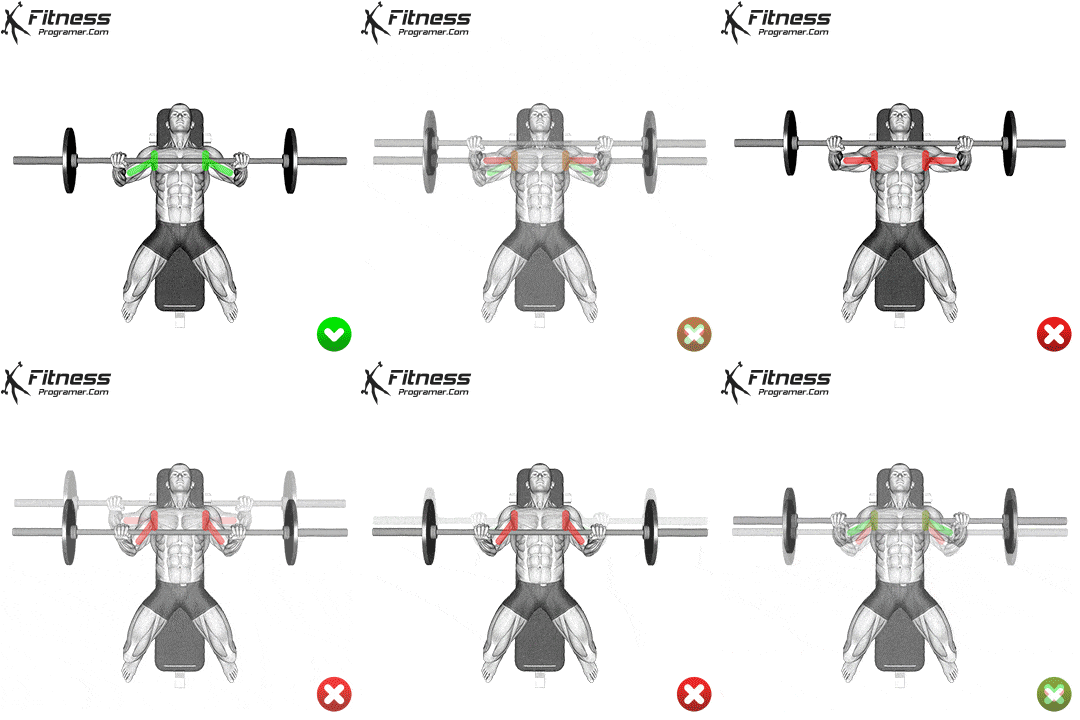
Downside:
- When your elbows flare out excessively (near 90 levels), it shifts the main focus out of your chest to your shoulders and will increase pressure on the shoulder joints. Over time, this will result in discomfort or damage, reminiscent of rotator cuff issues.
Repair:
- Visualize protecting your elbows tucked barely nearer to your physique, aiming for a forty five to 75-degree angle relative to your torso.
- If you happen to’re uncertain of your positioning, apply with a lighter weight or use a mirror to watch your elbow angle.
- Cue your self to “bend the bar” outward, which naturally helps hold your elbows within the right place.
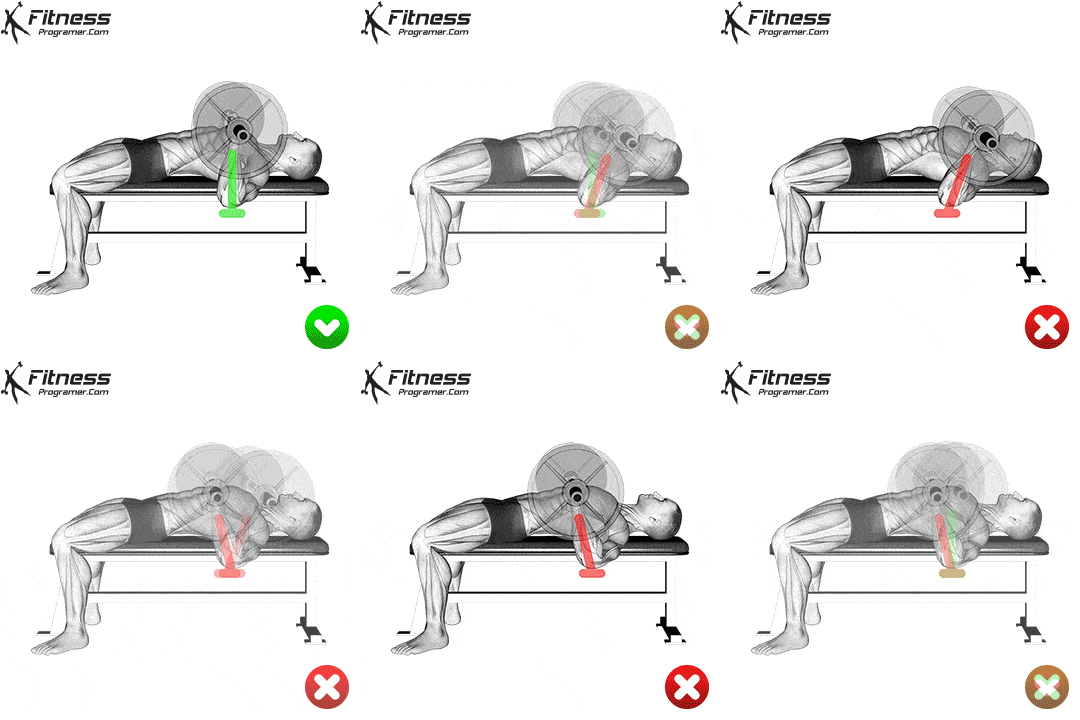
2. Improper bar path:
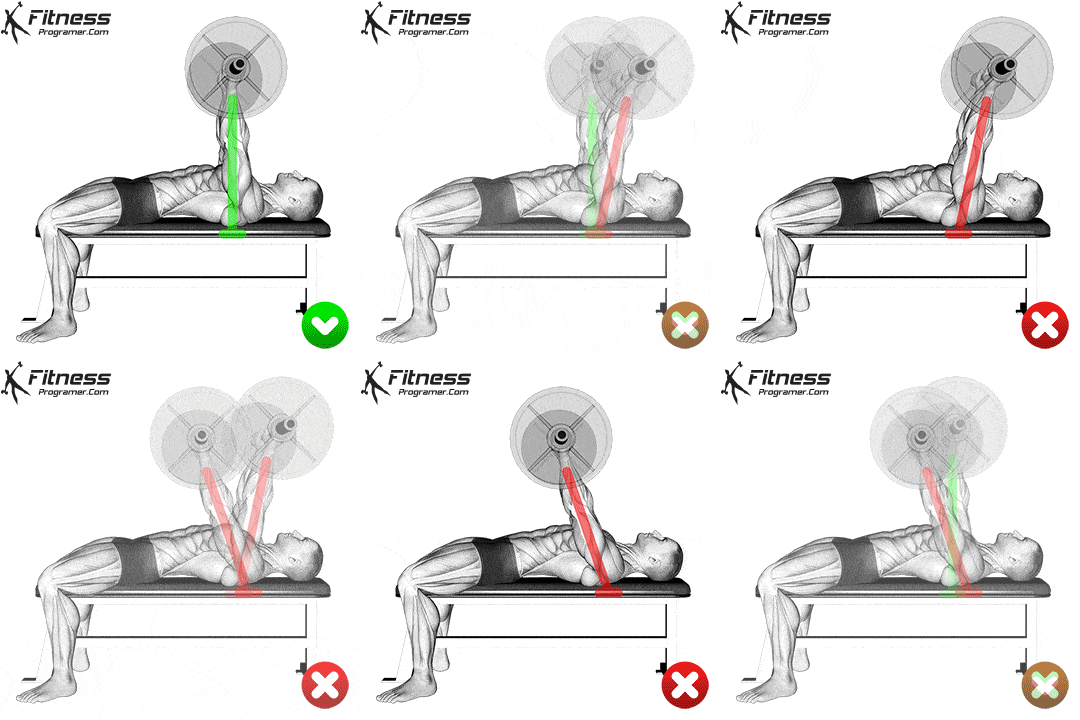
Downside:
- A correct bar path means that you can carry extra weight by sustaining an environment friendly switch of pressure. Maintaining the bar on the proper path minimizes the chance of shoulder impingement or pressure.
Repair:
- Decrease the bar in a straight line down towards your mid-to-lower chest. Keep away from drifting too far ahead (towards your head) or backward (towards your stomach).
3. Retract Your Shoulder Blades:
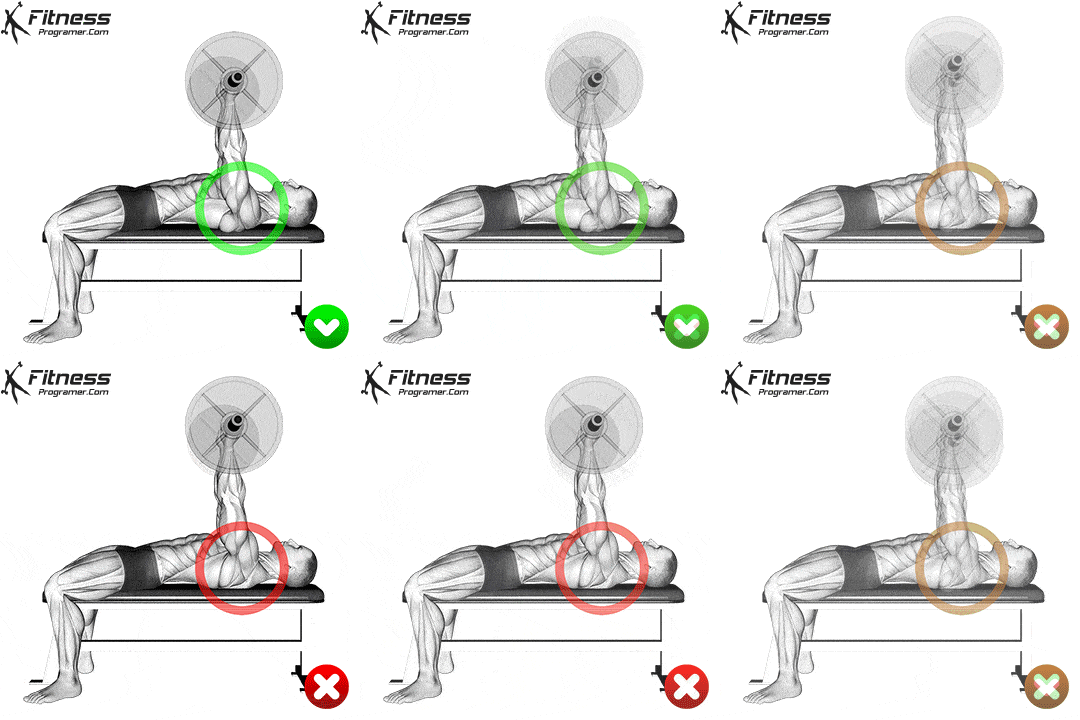
Downside:
- Neglecting to retract and stabilize your shoulder blades in the course of the bench press reduces shoulder help and limits chest activation. This instability can result in improper lifting mechanics.
Repair:
- Earlier than unracking the bar, actively pull your shoulder blades collectively as if pinching a pencil between them.
- As soon as retracted, press your shoulder blades firmly into the bench. This creates a steady base and maximizes chest engagement.
- Maintain this scapular place maintained all through the carry; keep away from letting your shoulders roll ahead on the prime of the press.
4. Preserve a Impartial Backbone
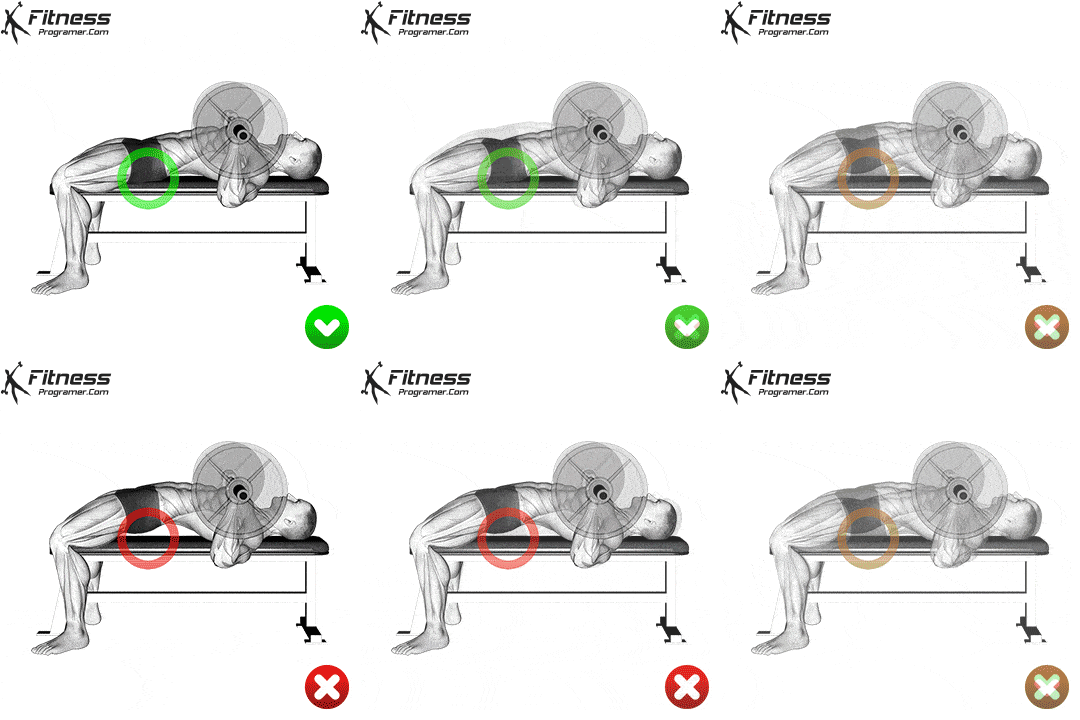
Downside:
- Whereas a slight arch in your decrease again is regular and protected, extreme arching (or “overarching”) can pressure your lumbar backbone and shift the main focus away out of your chest.
repair:
- Maintain a pure arch in your decrease again that enables your torso to remain agency however your hips to stay on the bench.
- Keep away from lifting your buttocks off the bench, as this compromises your type and will increase decrease again stress.
- Tighten your core muscle groups to stabilize your torso. Consider bracing your core as if making ready for a punch.
5. Improper Grip Width:
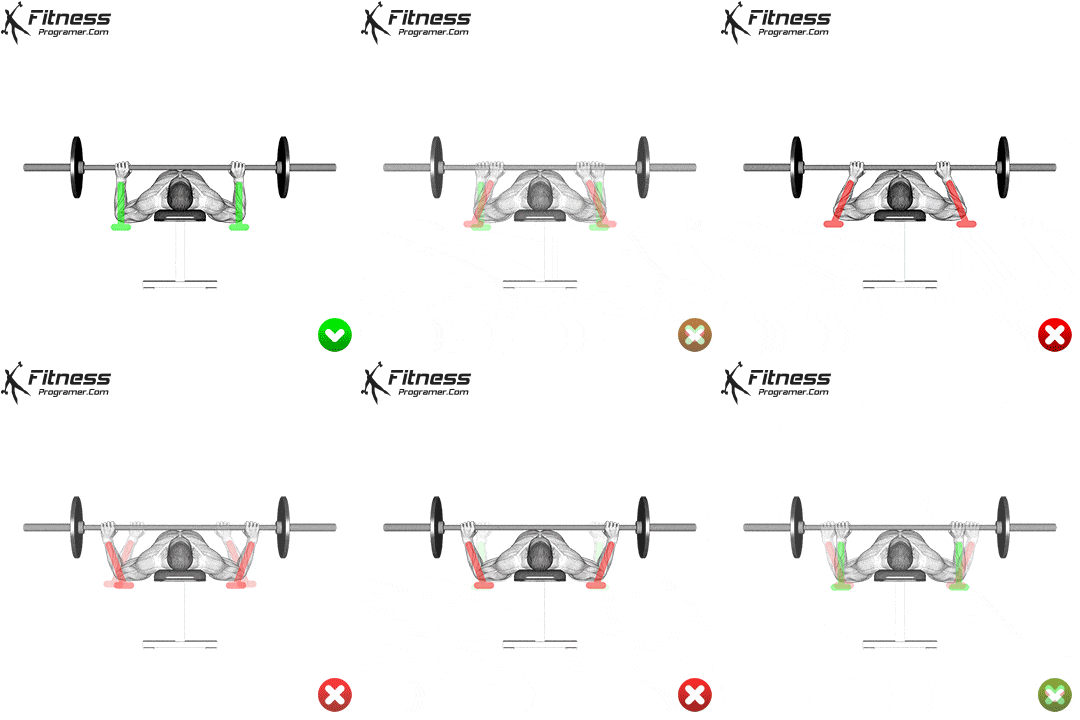
Downside:
A slim grip overemphasizes the triceps and reduces chest activation, whereas a large grip places undue pressure in your shoulder joints and will increase the chance of damage.
Repair:
- Use a grip that positions your fingers barely wider than shoulder-width aside.
- On the backside of the motion, your forearms ought to be perpendicular to the ground.
- Keep away from letting your wrists collapse backward by protecting them impartial and straight beneath the bar.
Why Belief My Experience?
As an authorized health coach, I’ve helped people of all ranges—from newcomers to seasoned lifters—good their bench press approach. My method combines years of hands-on expertise with evidence-based coaching ideas, guaranteeing shoppers obtain their objectives safely and effectively.
Last Ideas
The bench press is a powerhouse train that deserves a spot in any well-rounded coaching program. By mastering the proper type, you’ll unlock its full potential to construct energy, muscle mass, and useful energy. Begin with manageable weights, prioritize approach, and enhance the load progressively as your confidence and energy enhance.
If you happen to’re uncertain about your type or seeking to improve your routine, don’t hesitate to seek the advice of a professional coach for steering. Keep in mind, each nice carry begins with nice type.